
Special Educator in East Delhi
Personalized Learning Support for Children
Every child learns differently. Some children may need additional support to understand academic concepts, improve concentration, develop foundational skills, or overcome difficulties with reading, writing, mathematics, and comprehension.
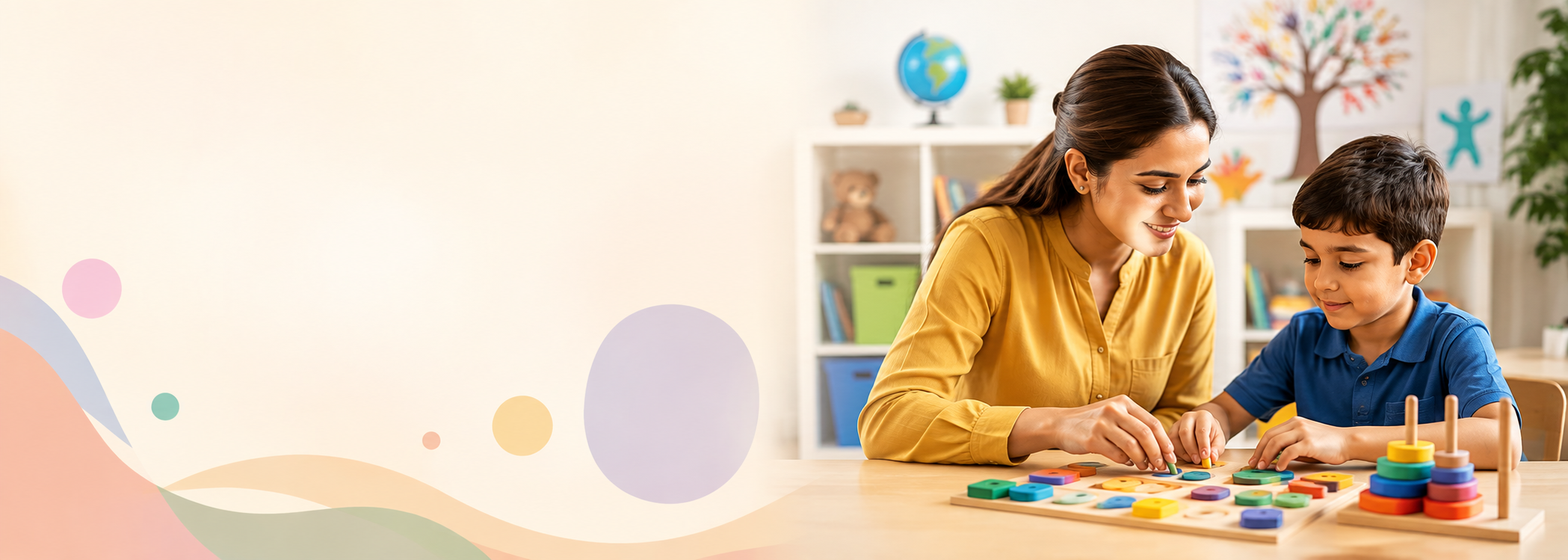
Our Remedial Education Centre in East Delhi provides individualized educational support designed around each child's learning needs, strengths, and pace. Through structured teaching, practical activities, and continuous progress monitoring, we help children develop stronger academic and functional learning skills.
What Is Remedial Education?
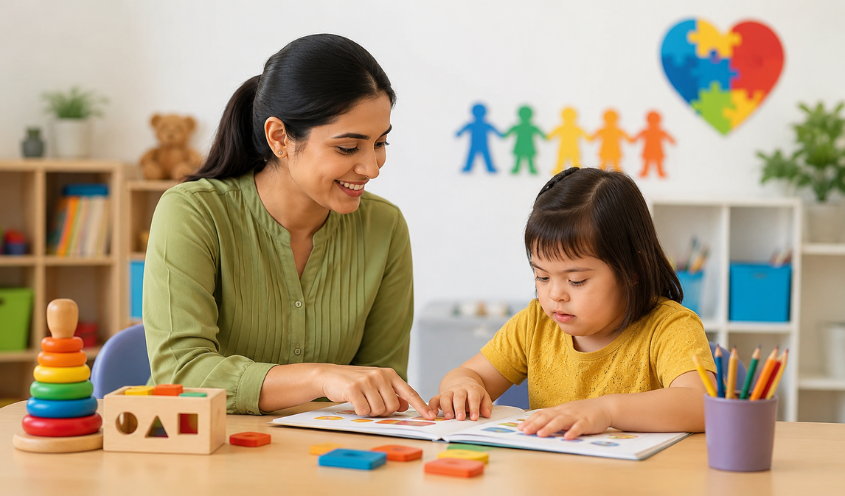
Special education is a personalized approach to learning designed for children who need additional educational or developmental support. It may include adapted teaching methods, individualized educational goals, remedial learning, functional academics, communication support, and life-skills training.
Children may benefit from special education when they experience difficulties related to
- Autism Spectrum Disorder
- Developmental delays
- Intellectual disabilities
- Learning difficulties
- Speech and communication difficulties
- Attention and behavioral challenges
- Down syndrome
The Government of Delhi also provides need-based educational support and inclusive education services for children with disabilities, including individualized educational planning and academic accommodations.
Why Choose a Special Education School?
A specialized learning environment can provide children with more individualized attention and teaching strategies suited to their abilities.
Individualized Learning Plans
Each child can have specific educational and developmental goals based on their current abilities and areas requiring support.
Small-Group Learning
Smaller learning groups can allow educators to provide more individual attention and adjust activities according to each child's learning pace.
Skill-Based Education
Along with academics, children may work on communication, social interaction, self-help, motor, functional, and everyday-life skills.
Structured Learning Environment
Consistent routines, visual supports, activity-based learning, and predictable classroom structures can make learning easier for children who benefit from additional support.
Parent Involvement
Parents can be kept involved in the child's progress and guided on activities and strategies that can be continued at home.
Our Special Education Programs
1. Individualized Special Education
Teaching methods and learning activities are adapted according to the child's abilities, developmental level, and educational goals.
2. Remedial Education
Children who experience difficulties with reading, writing, mathematics, comprehension, attention, or other academic areas can receive targeted educational support.
3. Functional Academics
Learning can be connected with practical everyday situations so that children can develop useful academic and functional skills.
4. Communication Development
Educational activities can support language, communication, following instructions, expressing needs, and social communication.
5. Social Skills Development
Children can participate in structured activities designed to encourage interaction, turn-taking, cooperation, classroom participation, and appropriate social behavior.
6. Life Skills Training
Children can work toward greater independence in areas such as personal hygiene, dressing, eating, organization, safety awareness, and everyday routines.
7. Early Intervention Support
Early developmental support can be particularly valuable for younger children with developmental concerns. Intervention may focus on communication, learning, play, motor development, social interaction, and daily skills.
Who Can Benefit From Our Special Education Program?
Our programs may be suitable for children who need additional support because of:
- Autism
- Developmental delay
- Intellectual disability
- Learning disability
- ADHD and attention difficulties
- Speech and language difficulties
- Down syndrome
- Cerebral palsy
- Behavioral difficulties
A Child-Centered Approach to Learning
We believe that education should focus on the whole child, not just academic performance.
Our approach can combine structured teaching with practical activities that encourage:
- Communication
- Confidence
- Independence
- Social interaction
- Attention and participation
- Problem-solving
- Functional learning
- Self-help skills
- Classroom readiness
Course Features
- Start Date: 24 March 2024
- Years old: 04 - 06 years
- Class Size: 20 - 30 kids
- Carry time: 01 hours / 02 hours
- Class Duration: 10 - 12 month
- Class time: 09:00am - 6:00pm
- Rating:
- Tution Fee: 2500.00